Best Board Games for Grandkids (Ages 4 to Teen, Family-Tested)
Our Top Pick
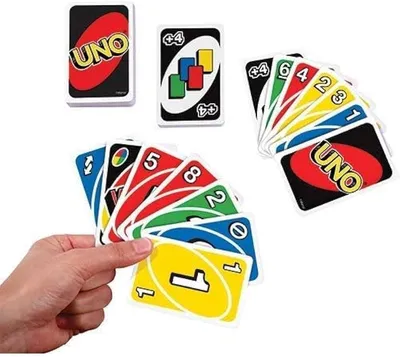
Uno Card Game
$8-12. The best-selling family card game for a reason. 2-10 players, 15-minute games, teaches colors/numbers/strategy. Every family should own it.
Board games are one of the most consistently underrated grandparent gifts.
Here’s why. The gift a grandparent most wants to give isn’t really the game — it’s the scene. Kid + grandparent + parent around a kitchen table, cards in hand, everyone laughing. Screens off. Phones down. The kind of moment that becomes the grandkid’s memory of “what it was like at Grandma’s house.”
A well-chosen board game creates that scene dozens of times over the years. $20-40 once; 50+ play sessions over 5 years; thousands of moments of family-around-a-table time.
You can’t buy a better ratio than that.
Here’s what works, age by age, with honest notes.
Ages 3-5: First games
At this age, “games” are really about learning turn-taking and sitting still for 10 minutes. Complex rules don’t work. Pick simple, short, tactile.
- First Orchard (HABA) ($20-25) — Co-op game where kids work together to pick fruit before the raven. Perfect first game for 2-4 year olds.
- Hi Ho Cherry-O ($12-18) — Classic. Simple counting game.
- Candy Land ($12-18) — The classic. Still works.
- Chutes and Ladders ($12-18) — Teaches counting and handling disappointment.
- Uno Moo! ($18-25) — Farm-themed preschool Uno.
- Sneaky Snacky Squirrel Game ($20-25) — Color matching, acorn collection. Preschool favorite.
- HABA My Very First Games series ($20-30 each) — German-made, beautiful components.
At this age, pick ONE good game, not multiple. The attention span can’t handle more.
Ages 5-7: Real games begin
This is the age where actual board/card games start working. Good choice here sets up a lifelong love of gaming.
- Uno ($8-10) — The universal first card game. Buy this if the family doesn’t already own it.
- Spot It! ($10-13) — Pattern matching, plays anywhere, works for 5-year-olds and adults equally.
- Zingo! ($18-25) — Bingo for young kids with a dispenser gimmick kids love.
- Sequence for Kids ($18-25) — Strategy-lite, great for 5-8.
- Ticket to Ride: First Journey ($35-45) — Real strategic gameplay, kid-friendly rules. Best strategy-game entry point.
- HedBanz for Kids ($18-25) — Silly family game, everyone laughs.
- Sleeping Queens ($12-18) — Card game designed by a 6-year-old, works beautifully.
- Kingdomino ($20-25) — Domino-plus-strategy. Short games, real thinking.
- Outfoxed! ($20-25) — Co-op mystery. Everyone wins or loses together.
- My First Carcassonne ($25-35) — Simplified version of the classic.
Start with Uno, Spot It!, and Sequence for Kids — those three alone will get dozens of plays over years.
Ages 7-10: Strategy and depth
By 7-8, kids can handle real strategy games with 15-30 minute playtimes and multi-step rules. This is the golden age of board games.
- Ticket to Ride: First Journey or regular Ticket to Ride ($45-60) — The best strategy game entry. Real.
- Catan Junior ($25-35) — Simplified Catan for ages 6-10.
- Forbidden Island ($20-25) — Co-op game where everyone works together. Real tension.
- King of Tokyo ($30-40) — Giant monsters, dice, short games, huge fun.
- Sushi Go! ($10-15) — Card drafting game, plays in 15 minutes.
- Exploding Kittens ($15-25) — Party card game, wildly fun.
- Taco Cat Goat Cheese Pizza ($10-15) — Fast-reaction card game, hilarious.
- Rhino Hero ($12-20) — Dexterity/stacking game.
- Codenames Pictures ($18-25) — Team word game that works for ages 8+.
- Carcassonne ($30-40) — Tile-laying classic. 30-45 minute games.
- Qwirkle ($25-35) — Pattern matching, simple rules, deep play.
For a 9-year-old’s birthday gift, I’d pick: Ticket to Ride + Sushi Go + Exploding Kittens. Three very different games; family gets variety; plays all year.
Ages 10-13: Real games
By 10-12, kids can handle real adult-level strategy games with 45-90 minute playtimes.
- Catan ($45-55) — The classic. 3-4 players, 60-90 minutes.
- Ticket to Ride (regular version) ($45-55) — Slightly more complex than First Journey.
- 7 Wonders ($45-55) — Card drafting civilization game, 30 minutes, plays 3-7.
- Pandemic ($35-45) — Co-op save-the-world game. Tension.
- Codenames ($18-25) — Team word game. Works for 10+ mixed ages.
- Ticket to Ride: Europe ($50-60) — Expansion destination for Ticket to Ride veterans.
- Dominion ($40-50) — Deck-building classic. Deep strategy. Short playtimes.
- Wingspan ($50-60) — Bird-themed engine-building game. Beautiful.
- Splendor ($35-45) — Quick, elegant gem-trading strategy. 30 minutes.
- Carcassonne + expansions ($30-80) — Add complexity as kids age.
For a milestone gift: Wingspan is the game that gets played for years. Gorgeous components, endless replay.
Ages 13+: Adult games
By teen years, kids can handle the full adult strategy catalog.
- Settlers of Catan + all expansions ($100-200 bundle)
- Terraforming Mars ($60-80) — Heavy strategy, 2-4 hours.
- Scythe ($80-100) — Strategy game with asymmetric factions.
- Gloomhaven ($120-160) — Campaign-based tactical combat. 50+ hour game.
- Azul ($35-45) — Tile-drafting, elegant, plays in 30 minutes.
- Dixit ($35-45) — Creative storytelling game.
- Codenames (regular) ($18-25) — Still works at this age.
- Cards Against Humanity ($25-35) — For family-appropriate teen groups. (Mature humor — check the family.)
- Exploding Kittens: NSFW Edition — NOT for teens. (Just to be clear.)
What every family should own
If I had to pick the “universal board game starter pack” for a family with kids:
- Uno ($8-10) — card game everyone knows
- Ticket to Ride: First Journey ($35-45) — first real strategy game
- Spot It! ($10-13) — portable, fits any occasion
- A classic like Candy Land or Chutes and Ladders ($15) — for the youngest
- Exploding Kittens or Sushi Go ($15) — party/quick fun
Total: $80-100. Covers 3 year olds to teens, 2-player games to 8-player, serious to silly. A better “family game night gift” than any single expensive game.
What to avoid
Licensed versions of classic games. Frozen Candy Land, Dora Monopoly, Spider-Man Uno — these are usually lower-quality versions of the original games with character stickers slapped on. The non-licensed original is almost always better made.
Games that take 3+ hours to set up and play. Monopoly notoriously destroys family evenings. Skip Monopoly and Risk for most families — they don’t get played enough to justify the shelf space.
Knowledge-based games for mixed-age families. Trivial Pursuit, Scrabble, Jeopardy-style games. A 5-year-old can’t compete with an adult. Everyone has a bad time.
Games marked “14+” for a 10-year-old. The age rating is usually right. A too-old game will bore or frustrate.
“Starter” boxes with 100 games in one box. These are always 100 mediocre games versus one good game.
Electronic / screen-based games. The whole point is face-time. A screen-based “board game” defeats it.
The grandparent advantage
One underrated angle: a grandparent who introduces a kid to board games can become the “gaming grandparent” — the one the kid visits specifically to play games. That’s a real bond.
If you want to lean into this: gift Ticket to Ride at 6, play it every visit for 3 years, upgrade to regular Ticket to Ride at 9, add Catan at 11, add Wingspan at 13. By the time the kid is a teen, they have a 10-year tradition of sitting down at your table with you for games. That outlasts any toy.
Board games are slow gifts — they’re not dramatic at unwrapping, but they build something across years that almost no other gift can. Pick well, play often, and you’ve given a gift whose returns compound for a decade.
Full Comparison: Our Picks
Uno Card Game
$8-12. The best-selling family card game for a reason. 2-10 players, 15-minute games, teaches colors/numbers/strategy. Every family should own it.
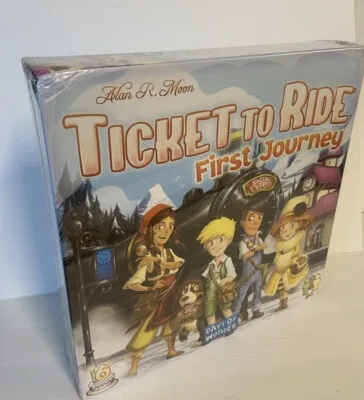
Ticket to Ride: First Journey
$35-45. Kid-appropriate version of the #1 family strategy game. Teaches real strategy at ages 6-10. Real gateway to board games.
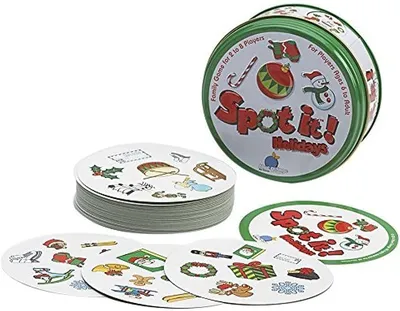
Spot It! Card Game
$10-13. Pattern-matching card game, plays anywhere, fits in a pocket. Ages 6 to adult. A party game that's actually fun for all ages.
Frequently Asked Questions
What's the best board game for a 5-year-old?
Uno ($8-10) is the consensus answer — teaches colors, numbers, and basic strategy, plays 2-10 players, and becomes a lifelong family staple. For slightly younger (ages 3-5), Hi Ho Cherry-O ($12-18) and Candy Land ($12-18) are the classics that still work. For more challenge: Spot It! ($10-13), Zingo! ($18-25), and My First Carcassonne ($25-35). Avoid complex strategy games at this age — they'll frustrate rather than engage.
Are board games a good grandparent gift?
Exceptionally good — arguably among the best. Reason: board games create the specific family moment grandparents want most. Kid + grandparent + parent around a table, no screens, everyone laughing. They become family rituals. A single good game gets played 50+ times over years. The game itself is $20-30; the memories are priceless. Skip electronic/screen-based games when picking — the whole point is face-to-face time.
What's the best strategy game for a 10-year-old?
Ticket to Ride ($45-60) is the best 'real strategy game' entry point for a 10-year-old. It's accessible enough that grandparents can play it for the first time without a 2-hour rules lecture, and deep enough that 10-year-olds beat adults regularly. Close runners-up: Forbidden Island ($20-25), Catan Junior ($25-35), 7 Wonders Architects ($35-45). For a 10-year-old who's already into strategy: real Catan ($45-55) becomes accessible.
How many board games should I gift at once?
1-3 is ideal. Too many games at once means some sit unplayed. A single well-chosen game that becomes a family staple is better than 5 random picks. If gifting multiple, pick by category: one 'quick family' game (Uno, Spot It!), one 'strategy' game (Ticket to Ride, Catan Jr.), one 'party' game (Exploding Kittens, Taco Cat Goat Cheese Pizza). That way the family has variety without duplicates.
What board games should I avoid?
Three red flags: (1) Licensed character board games (Dora the Explorer Monopoly, Frozen Candy Land) — usually cheap versions of decent games with worse quality components; (2) Trivial Pursuit and other knowledge-dependent games for mixed-age families — the game stops working when ages vary too much; (3) Games marked 14+ for kids under 10 — too complex, too long, they'll lose interest. Also: if a game takes 2+ hours to play with setup, it won't get played often. Shorter is usually better for family gaming.
Are card games board games? Do they count?
Functionally, yes — for gift purposes, card games and tabletop games serve the same purpose and often pair together. Uno, Skip-Bo, Spot It!, Sleeping Queens, Exploding Kittens, Sushi Go — these are all 'board games' in the grandparent-gift sense even though they're just cards. They're often BETTER gifts than large board games because they travel (bring to restaurants, plane trips, vacations), they set up in seconds, and they play in 10-20 minutes.