Best Grandkid Gifts Under $25 (That Don't Feel Cheap)
Our Top Pick
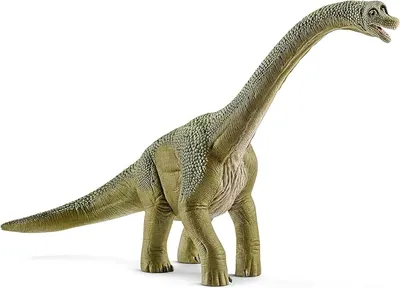
Schleich Animal Figures
Hand-painted, museum-quality. One figure is $8-18, and kids build collections over years. Dinosaurs, farm animals, safari, horses — pick the child's obsession.
There’s a myth that a “good gift” has to cost $50 or more.
It doesn’t. Some of the best grandkid gifts I’ve given cost $12. The price tag matters less than whether the gift matches the child and holds up to being used.
But the under-$25 price point is a minefield. It’s where dollar-store junk masquerades as a real gift, where off-brand character merchandise tempts you, where you’re most likely to leave a store with three flimsy items when one solid one would have landed better.
Here’s what actually works at this price point, and what to skip.
The under-$25 strategy
At this price, you’re picking between two paths:
- One quality item that feels intentional — a good book, a real craft kit, a single Schleich figure, a first card game.
- A themed small collection — 3-4 bath toys, a set of Crayola markers + paper, a stocking-stuffer bundle.
The path you pick depends on the occasion. For a birthday or “just-because” gift, go path 1 — one quality item. For a stocking or a small add-on gift, path 2 can work.
Avoid the middle: buying 2-3 mediocre items from the toy aisle hoping the pile will feel substantial. It never does.
Under-$25 winners by category
Books ($8-20)
Books are the best-value gift at this price, by a wide margin.
A $12 book gets read 20+ times. A picture book bought at age 3 is still on the shelf at age 8. And — this is worth emphasizing — kids who get books regularly from grandparents grow up readers. It’s one of the measurable, lifelong effects of what grandparents give.
The trick: match the book to what the child is obsessed with right now.
- Ages 1-3: Thick-page board books. Sandra Boynton’s Moo, Baa, La La La!, Eric Carle’s The Very Hungry Caterpillar, Sam McBratney’s Guess How Much I Love You.
- Ages 3-6: Picture books with characters they love. Bluey books, Elephant & Piggie books (Mo Willems), Julia Donaldson (The Gruffalo, Room on the Broom).
- Ages 6-9: First chapter books. Dog Man, Magic Tree House, Bad Kitty, Elephant & Piggie graduates.
- Ages 9-12: Middle-grade fiction. Wings of Fire, Percy Jackson, Dork Diaries, Dav Pilkey’s full catalog.
Skip “classic” books the child has no connection to. A Dickens copy given to a 7-year-old who’s never heard of Oliver Twist sits on a shelf forever.
Card games ($8-20)
A first real card game is one of the most lasting gifts at this price. Uno, Spot It!, Skip-Bo, Sleeping Queens, and Sushi Go are all under $20 and become family staples.
Why they work: they’re played dozens of times, they teach real cognitive skills (numbers, pattern recognition, strategy), and they create family moments — kid plus parent plus grandparent around a table, no screens, all laughing.
Buy the real brand — off-brand card games have cheaper printing and lose their finish in a month.
Craft kits ($15-25)
Klutz and Crayola are the two brands that make craft kits worth buying at this price. Klutz in particular is excellent — real instructions, all materials included, and the finished project is something the child actually keeps.
Good Klutz picks:
- Friendship bracelets
- Paper airplanes (surprisingly beloved)
- Pom-pom crafts
- Origami
- Nail art (for kids into that)
Skip generic “craft kit” knock-offs from the dollar store — the glue is bad, the beads get lost, and the finished result falls apart.
Figurines you can build a collection with ($8-18 each)
A single Schleich figure (animal, dinosaur, horse) at $8-18 is a great standalone gift AND the start of a collection that grows every gift occasion. Kids treasure these because they’re painted beautifully and feel like real objects, not disposable plastic.
Other collectible lines that work: Calico Critters individual figures ($8-15), Safari Ltd animal figures ($6-12), small LEGO minifigure packs ($5-12).
The collection framing is the magic: this isn’t “a $12 toy,” this is “a new member of a collection they’ve been building since they were 4.”
Play dough and modeling clay ($15-25)
Play-Doh sets in the $15-25 range are surprisingly substantial. The kitchen-themed sets (ice cream maker, pizza shop) and the “Play-Doh Kitchen Creations” line are genuine hits with 3-6 year olds. Includes the dough, tools, and molds.
For older kids (8+), model magic air-dry clay and Crayola Model Magic kits ($12-20) let them make things they keep.
Small LEGO Classic sets ($15-25)
LEGO Classic small bricks sets ($15-25) are a great low-budget way to get started with LEGO or add to an existing collection. 200-400 pieces, no theme — just creative building.
Skip themed LEGO sets under $25 — they’re usually 60-80 pieces and feel thin. Classic sets give you more real play per dollar.
First science toys ($15-25)
A real magnifying glass + bug-viewing jar ($12-18). A small microscope kit ($20-25). A National Geographic crystal growing kit ($15-20). A first chemistry set ($20-25).
These work because they create an experience — the child uses the gift for an actual afternoon of discovery, not 10 minutes of unwrapping.
What to skip under $25
Dollar-store toys. They break the first day. A $1 toy that breaks is worse than no toy at all because it becomes instant landfill and models disposable ownership to the child.
Knock-off character merchandise. Off-brand Frozen dolls, fake PAW Patrol figures, bootleg Pokémon cards. Kids spot the difference in seconds. The disappointment of getting a fake version of something they love is worse than not getting the gift at all.
Huge piles of “party favor” plastic. 10 tiny plastic toys for $15 feels like a gift at the cash register and feels like clutter three days later. One $15 quality item lands better.
Battery-operated noise-makers. Toys with cheap electronics that honk, sing, or flash cost a few dollars to make, break in a week, and annoy every adult in a 20-foot radius. Parents remember these for years. Skip.
Overly-advertised “collectible” lines with hundreds of variants. The recent waves of tiny mystery-box collectibles (LOL dolls’ cheaper imitators, blind-bag trading figures) create a cycle of “need to collect them all” that costs families hundreds over a year. A single Schleich figure, by contrast, is a complete satisfying gift.
The $22 rule
If you only remember one thing: at this price point, quality beats quantity every time.
A single $22 Klutz craft kit, a $12 Dog Man book, a $15 Schleich horse figure, a $18 card game — these are real gifts. Three $7 plastic toys are three $7 plastic toys no matter how many you stack together.
The child can tell the difference. Parents can definitely tell. And twenty years from now, the Schleich horse is still on their bookshelf. The three plastic toys are gone by February.
Pick one good thing. Under $25 can absolutely deliver a real gift — it just has to be chosen with intention.
Full Comparison: Our Picks
Schleich Animal Figures
Hand-painted, museum-quality. One figure is $8-18, and kids build collections over years. Dinosaurs, farm animals, safari, horses — pick the child's obsession.
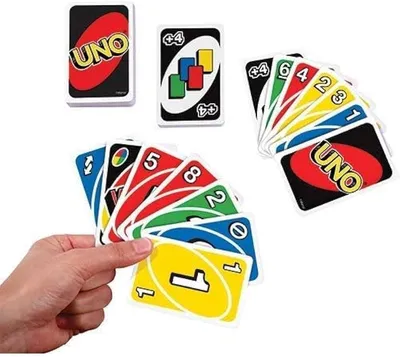
Uno Card Game
$8-12. Teaches numbers, colors, basic strategy. Plays 2-10 players. Every family should own a deck. First real card game for most kids.
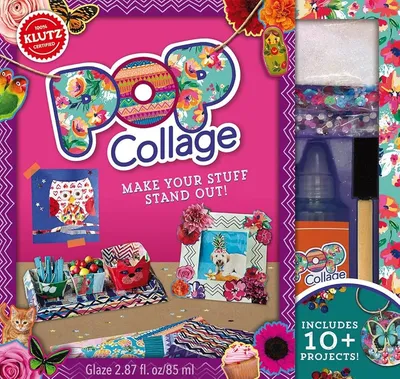
Klutz Craft Kits
$15-25. Real instructions, all materials included, produces something the child keeps. Friendship bracelets, paper airplanes, nail art, pom-pom crafts — pick by child's taste.
Frequently Asked Questions
Can you really give a good grandkid gift for under $25?
Yes — but you have to skip the 'toy aisle at the big-box store' route and think carefully. At $25 and under, the winners are books, card games, craft supplies, and single-piece quality items (one Schleich animal figure, one good picture book, one Klutz craft kit). The losers at this price are plastic toys trying to feel like a $50 gift — they almost always feel cheap because they are. Pick quality in a small package instead of volume in a flimsy one.
Are books a lame gift under $25?
Not remotely — books may be the best value-per-dollar gift at this price. A $12 Dog Man book gets read 20+ times. A $18 picture book gets read every bedtime for months. Kids who get books regularly from grandparents grow up readers; it's one of the measurable effects of grandparent gifting. The trick: pick books matched to the child's current interest (dinosaur-obsessed kid gets a dinosaur book; Bluey-obsessed kid gets a Bluey book). Generic 'classic' books can feel like homework.
What under-$25 gifts do kids actually remember?
Hands-on items with a strong experience attached: a real magnifying glass + bug-viewing jar, a first real card game (Uno, Skip-Bo, Spot It!) that becomes a family staple, a Schleich animal figure that joins a growing collection, a Klutz craft kit that produces something they keep. Items that get used repeatedly beat items that impress once and die.
Should I buy multiple cheap gifts or one better gift under $25?
One better gift, almost always. Three $8 toys feel like three $8 toys. One $24 quality item feels intentional. The exception: stocking stuffers, where a spread of small, themed items is the tradition. For birthdays and 'just-because' gifts, go for quality in a single item.
What are good under-$25 gifts for a toddler?
Board books ($8-15) — thick-page, toddler-proof. Wooden stacking toys ($15-25). A small Melissa & Doug play set. A bath toy set. A first puzzle (4-12 pieces, wooden). Avoid tiny-parts toys for under-3 kids (choking risk) and anything battery-operated that'll drive parents insane.
What should I AVOID at the under-$25 price point?
Three red flags: (1) Dollar-store toys that break the first day — they're a waste even at $1. (2) Knock-off character merchandise (fake Frozen dolls, off-brand PAW Patrol) — kids spot the difference instantly. (3) Huge piles of plastic 'party favor' style toys — they create clutter parents resent and the child plays with once. Cheap that lasts and cheap that doesn't last cost the same to buy; only one is a gift.