Long-Distance Grandparent Gifts: 10 Ways to Feel Close From Far Away
Our Top Pick
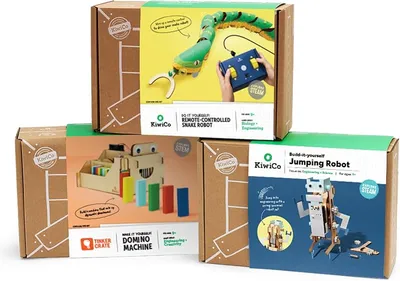
KiwiCo Monthly Subscription
The gold standard for long-distance grandparent gifts. 12 monthly moments instead of 1.
Being a long-distance grandparent is harder than it looks. You want to be in their life. You don’t want to be that-relative-who-sends-a-card-once-a-year. The solution isn’t sending more stuff — it’s finding the right shape of gift, and showing up consistently.
Here’s what’s worked for grandparents who’ve figured this out.
The Core Idea: Recurring Beats Once
The single most important shift: give gifts that arrive every month, not once a year.
A one-time birthday gift, however expensive, has one unwrap moment. A subscription gift has twelve. Your grandchild opens a KiwiCo box in March and thinks of you. Opens a Raddish Kids cooking kit in April and thinks of you. Every month you’re present in a small, real way.
This is more powerful than any single big gift — and often cheaper over the year.
Top Three Subscription Gifts
1. KiwiCo ($20-25/month)
KiwiCo is the single best long-distance grandparent gift. Different subscription lines cover ages 0-16:
- Panda Crate (0-2) — sensory and developmental toys
- Koala Crate (2-4) — simple hands-on projects
- Kiwi Crate (5-8) — real projects with real tools
- Tinker Crate (9-16) — engineering, physics, electronics
- Eureka Crate (14+) — design engineering for teens
A year subscription works out to around $200-280, depending on the age. Each monthly box is curated by real engineers and comes with instructions, all materials, and a bit of educational reading. Your grandchild gets something fun every month, learns something real, and associates your name with each arrival.
Best for: ages 3-16. Kids who like making things.
2. Raddish Kids ($24/month)
Raddish Kids is a monthly cooking subscription — recipes, kid-safe tools, skill cards. The genius of this one is that it creates a shared activity. You can FaceTime your grandchild while they cook the recipe, watching them work or even cooking the same thing at your end.
It turns a passive gift into a shared moment.
Best for: ages 5-14. Kids who like helping in the kitchen.
3. Lovevery Play Kits (0-4)
For the youngest grandchildren, Lovevery is the closest thing to “gifts curated by child development experts” — because that’s exactly what it is. Each stage box arrives at the right developmental moment for your grandchild with toys specifically designed for that stage.
It’s more expensive than KiwiCo (around $80 per stage box, with 10 stage boxes in the first 2 years). Worth it if budget allows, especially for a first grandchild.
Non-Subscription Ideas
Not every gift needs to be a subscription. Other things that work well for long-distance grandparents:
Book of the Month
Pick a book each month for your grandchild. Mail it. Read it to them on a video call — you reading, them looking at the same book on their end. This is free (library books), deeply personal, and creates a standing ritual. Can scale to any age — Eric Carle board books for toddlers, Magic Tree House for 5-8 year olds, Harry Potter for 8-12, Percy Jackson for 10+.
The Yoto Player + Custom Cards
The Yoto Player (~$80) is a screen-free audio player for ages 3-12. It plays audio cards — stories, music, or your own recordings. You can buy pre-made cards or record your own. A custom card of you reading favorite books is a gift that gets used every day. This is especially magical for toddlers.
A Weekly Standing Video Call
Not technically a gift, but often the best thing you can give a grandchild you don’t see: 15 minutes at a predictable time every week. Call it “Sunday at 4.” Keep it short enough that nobody dreads it. Have a silly standing routine — a joke of the week, a “what did you eat today,” a show-and-tell. Consistency beats length.
Physical Mail
Kids love receiving mail. Send a postcard every other week. Enclose a small stick-on tattoo, a sticker, a pressed flower. Nothing expensive. Just regular, small, physical reminders that you exist and you thought of them this week.
What Doesn’t Work as Well
One big annual gift. A laptop, a bike, a giant LEGO set — these are great, but they have one unwrap moment. They don’t keep you present in the relationship.
Expensive clothes or accessories. The parents have opinions on their kid’s clothes. Your taste may not match. Stick to things where you can’t go wrong (experiences, toys, books).
Electronic toys with lots of lights and sounds. These tend to not hold up and parents don’t always love them. Skip.
Gift cards. They work, but they’re impersonal. A physical gift or an experience carries more meaning.
For Grandparents Who Are REALLY Far Away
If you’re overseas or see your grandchildren once a year or less, lean even more into the consistency plays:
- A physical photo album — print photos of them, put them in an album, mail it. Yearly. They’ll keep it forever.
- An audio journal of your voice — record voice messages throughout the year (the Yoto Player format works, or an app like Voxer). Kids hear your voice regularly, even when they’re little.
- A yearly trip — if at all possible, aim for once-a-year in-person time, even if short. One week in the same house is worth three months of video calls.
The Real Point
The best long-distance grandparent gifts aren’t purchases — they’re patterns. A subscription gift is powerful because it’s a pattern of monthly arrival with your name on it. A weekly video call is powerful because it’s a pattern your grandchild can count on. A book of the month is powerful because it’s both a pattern and a shared experience.
Buy patterns, not just products. That’s how you stay close from far away.
Full Comparison: Our Picks
KiwiCo Monthly Subscription
The gold standard for long-distance grandparent gifts. 12 monthly moments instead of 1.
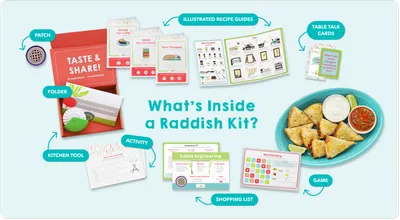
Raddish Kids Cooking Subscription
Monthly cooking kit — creates a shared activity you can do together over video call.
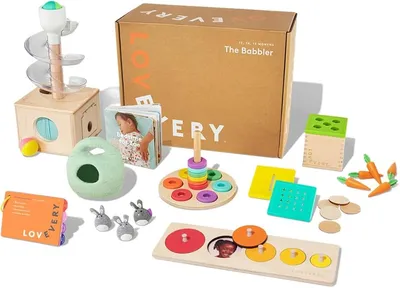
Lovevery Play Kits (Subscription)
For grandchildren ages 0-4 — developmentally curated toys. Expensive but genuinely good.
Frequently Asked Questions
What's the best single long-distance gift for grandkids?
A KiwiCo subscription is the single best long-distance gift for most grandchildren ages 3-16. For about $20-25 per box, they get a curated hands-on project every month — and crucially, your grandchild associates your name with each monthly arrival. A year subscription ($240-300) is one of the highest-ROI gifts you can give a grandchild you can't see often. The monthly cadence keeps you in their life twelve times instead of once.
How do I stay close without being intrusive?
Structure works better than spontaneity for long-distance relationships. Set a standing weekly video call at the same time each week — say, Sunday at 4 PM — and keep it short (15-20 minutes). Consistency beats length. Send physical mail monthly (a postcard, a drawing, a small book). Send voice messages or videos rather than long text threads. And respect the parents' schedules — asking 'when works for a call?' beats 'I'm going to call now.'
My grandchild is too young for video calls. What works for toddlers?
For ages 1-3, audio and physical objects work better than video. Record yourself reading a book out loud (you can get a Yoto Player or similar for about $80 that plays your audio cards — your grandchild can 'read' with grandma on demand). Send small physical packages regularly with a note or drawing. Forget about 'good' video calls with toddlers — they have 3-minute attention spans for screens, and that's fine.
Are big one-time gifts a bad idea?
Not bad, just usually lower-impact than ongoing presence. A big holiday gift (a bike, a laptop, a big LEGO set) has an unwrap moment and then becomes part of the background. A subscription gift has 12 moments — each associated with you. If you can do both, great. If you have to pick, the recurring gift keeps you present in their life more powerfully.
How do I handle it when I don't know what they're into?
Ask the parents directly — most are happy to tell you current obsessions, which change fast at this age. Or use our gift finder: put in age, gender, and your best guess at interests, and let us surface picks matched to that profile. For kids 8+, you can also ask them directly ('I want to send you something you'll actually love — what should I look for?'). The answer is usually surprisingly specific and useful.